Well come to MATOSHRI SANSTHA
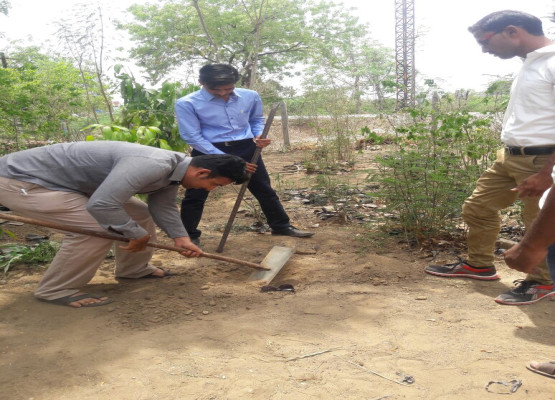
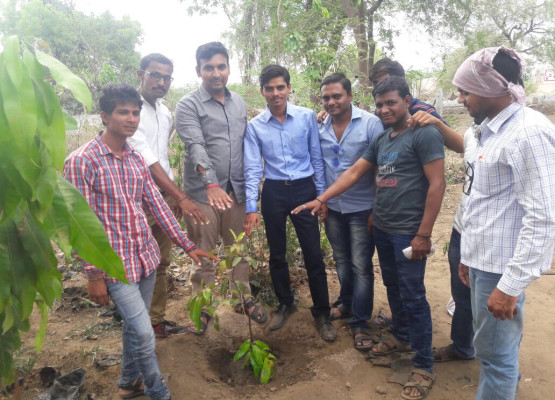
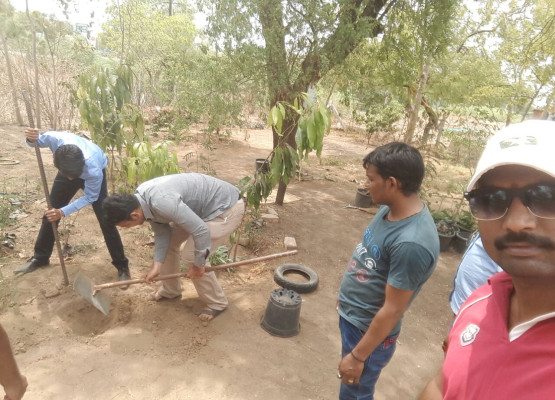
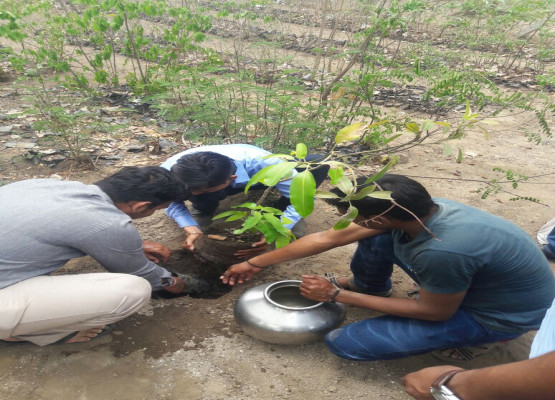
Tree planation drive
Environment Help
Tree planation drive
🌳 Tree Plantation Drive by Matoshri Bahuuddeshiya Sevabhavi Sanstha
“Each One, Plant One” – Empowering Lives, Building Futures
Introduction
At Matoshri Bahuuddeshiya Sevabhavi Sanstha, we believe that trees are not just part of the environment — they are life itself. Our commitment to a greener planet reflects our motto, “Empowering Lives, Building Futures.”
As part of our sustainable development and environmental protection efforts, the Sanstha regularly organizes Tree Plantation Drives across Nashik, Dhule, and nearby rural regions.
🌿 Purpose of the Initiative
The primary goal of our tree plantation program is to:
-
Reduce environmental pollution and combat climate change
-
Restore ecological balance and biodiversity
-
Promote community participation in environmental conservation
-
Create cleaner and healthier surroundings for future generations
Through these efforts, we aim to make environmental protection not just an activity but a community movement.
🌱 “Each One, Plant One” Campaign
In 2024, the Sanstha launched the campaign “Each One, Plant One”, urging every citizen to contribute by planting at least one tree in their lifetime.
With immense support from students, volunteers, and community groups, more than 10,000 saplings were planted across public spaces, school premises, roadsides, and rural areas.
We focused on planting native, medicinal, and fruit-bearing species such as neem, banyan, mango, jamun, and tulsi — species that enhance biodiversity and support both humans and wildlife.
🌾 Community Participation
What makes our drives truly impactful is the participation of local communities, schools, and volunteers.
Young children actively engage in planting and caring for saplings, taking an oath to nurture them regularly. This not only builds environmental awareness but also fosters a sense of responsibility and ownership among the younger generation.
We also collaborate with local municipal bodies, forest departments, and environmental organizations to ensure the proper maintenance and growth of planted trees.
🌍 Sustainability Measures
Planting a tree is only the beginning — ensuring its survival is the real mission.
Our team monitors the planted areas, organizes watering schedules, and educates local groups about long-term care practices. Regular follow-ups help us achieve a high survival rate and long-lasting environmental benefits.
🌐 Translate